The Art of Packing for Unpredictable Alpine Altitudes
How to construct a compact, enduring wardrobe that withstands shifting mountain passes without sacrificing quiet elegance.
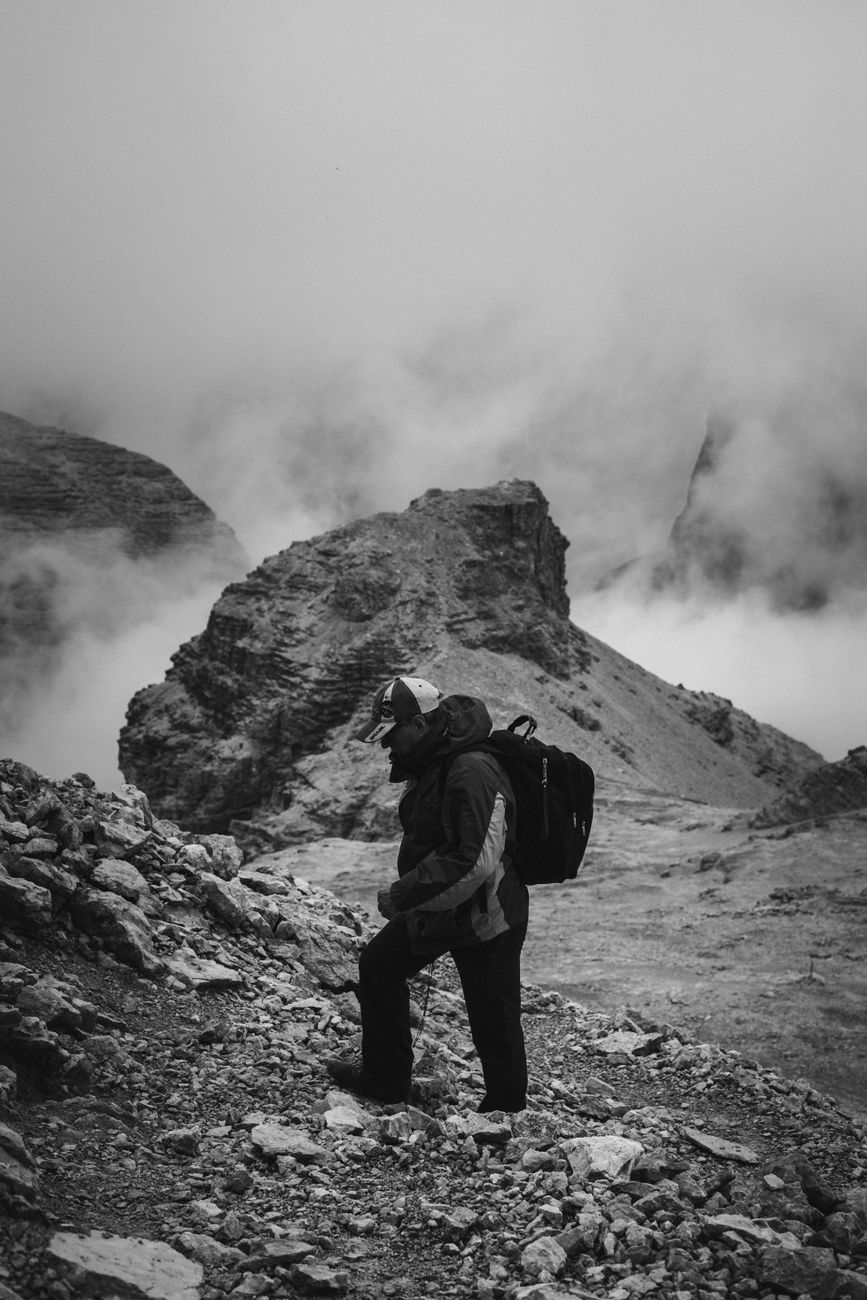
Table of Contents
Alpine travel is an exercise in sudden contrasts. At midday on an open granite col at 2,400 meters, radiation is intense and air is crisp; ninety minutes later, an incoming storm can drop temperatures toward freezing, shrouding the ridge in hail and dense cloud. Navigating these shifts with a single carry-on bag demands deliberate, intentional selection.
1. The Supremacy of Natural Fibers
Modern synthetic fleece garments often harbor odors quickly and shed microplastics into fragile glacial watersheds. By contrast, extra-fine merino wool and dense boiled wool have insulated shepherd cultures across the Pyrenees and Dolomites for millennia. Wool breathes during exertion, retains insulating warmth even when damp with rain, and naturally resists odor over weeks of continuous wear.
2. Modular Layering Systems
Rather than packing a bulky, single-purpose parka, pack three disciplined layers that harmonize together:
- Base layer: 200gsm unbleached merino long sleeve shirt.
- Thermal buffer: Fine-gauge alpaca or lambswool knit sweater in deep earth tones.
- Weather barrier: Ventile cotton or high-density membrane shell with sealed storm cuffs.
3. The 111111 Alpine Checklist
Beyond clothing, equip your kit with a field repair kit (waxed thread and sailmaker needle), an analogue compass, a refillable brass fountain pen, and a waterproof pocket journal. Equipment chosen with care becomes an heirloom companion rather than disposable plastic waste.
Plan a Mountain Sabbatical
Receive private recommendations for historic Swiss, Austrian, and Norwegian alpine refuges.